
This week is Good Business Week, designed to raise awareness of why good business matters and to celebrate those who are putting this into practice in the way they treat their stakeholders.
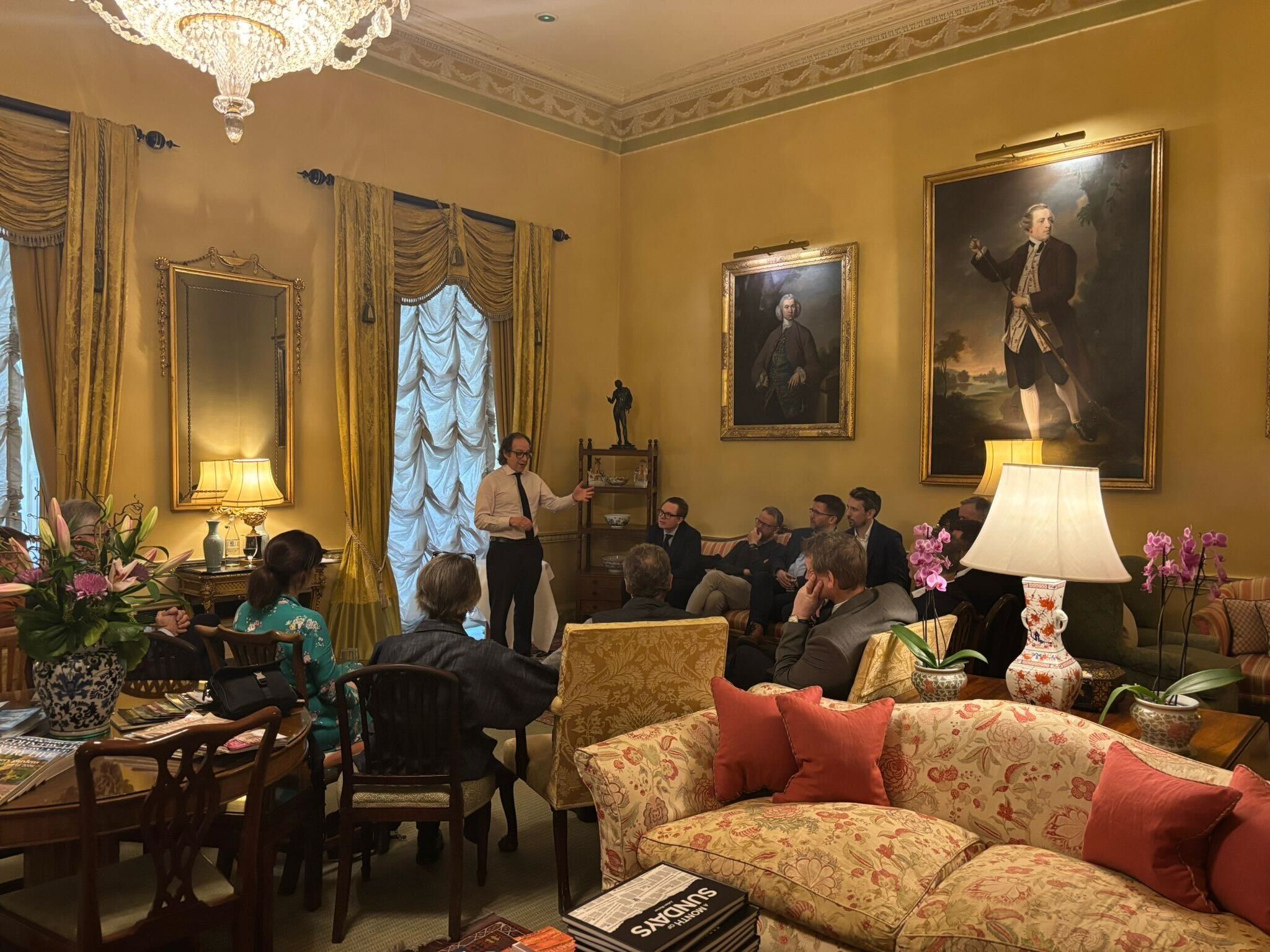
As part of our annual campaign, we convened a group of large national and regional companies in York in partnership with Headland, encouraging them to lead the way in ethical business practice.
I spoke about how I built up Richer Sounds with a clear emphasis on the people. I did it because it delivers results. Happy colleagues are more productive colleagues and provide better customer service.
While my days on the shop floor are now over, leaving the running of Richer Sounds in the capable hands of the employees who own it, in founding and funding the Good Business Charter (GBC) I wanted to champion the clear principles of responsible business behaviour that I have lived by over the past five decades.
It is not rocket science, and I don’t believe it requires new-fangled language for the current decade. Put plainly good business is about doing the right thing, and proudly communicating that, which is at the core of this year’s Good Business Week.
As a shopkeeper I always say, ‘there’s no point selling ten-pound notes for a fiver if no one knows about it’. Let me share the impact for you of communicating and championing responsible business behaviour with your stakeholders.
1. Customers
TSB bank found in polling that 97% of people want businesses to act responsibly but the big problem is that no one knows who is indeed behaving responsibly. That is why we brought the Confederation of British Industry (CBI) and the Trades Union Congress (TUC) together to define a clear benchmark for responsible business behaviour, with ten components that organisations must commit to for our accreditation.
2. Colleagues
There is such value in clearly communicating what you stand for as a business to your colleagues. Regardless of the size of the business, people want to feel confident they work for a decent employer. There are straightforward ways you can demonstrate this. One example might be a suggestion scheme which I found particularly effective and powerful. It empowers employees and creates an open environment where people trust one another and enables innovation to thrive. You’ll get the very best from your people if you treat them well with decent pay, secure hours, their wellbeing cared for, a genuine voice and an inclusive workplace.
3. Suppliers and subcontractors
It amazes me how often businesses can talk about all they are doing in sustainability or perhaps their EDI policies whilst they cannot pay their suppliers on time! Looking down your supply chain is critical to minimising business risk to adverse conditions. And when things do get tough, you will be more resilient and find much greater understanding with your suppliers if you have treated them fairly and paid them on time over the years.
4. Wider society
Responsible businesses must look beyond their direct stakeholders. to the planet and society around them. We all have a collective responsibility to care for our planet and think carefully about the environmental impact we are having on it. I believe we also need to recognise our dependency as businesses on the government structures around us – and proudly pay our share of UK tax in recognition of the benefits we experience from the state’s infrastructure, education, health and policing, to name a few.
In short, GBC accreditation is the definitive signpost to a good business or charity. The public for the first time can immediately assess an organisation’s integrity to assist their engagement decision. At the same time, it will give the country’s greatest businesses the recognition they rightly deserve.
Read more from Headland: Insights & News